Pipelines and power: How gas turned Ukraine into a battleground
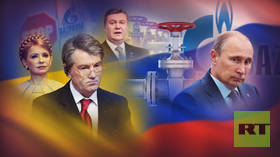
For more than three decades after the collapse of the Soviet Union, relations between Russia and Ukraine were shaped not only by questions of identity, sovereignty, or political orientation, but by a far more tangible and unforgiving factor: energy transit.
Long before the conflict escalated into open war, Moscow and Kiev were locked in a structural dispute embedded in pipelines, contracts, and unpaid bills. What often appeared as episodic “gas wars” or political quarrels was, in fact, the manifestation of a deeper incompatibility – Russia’s dependence on export routes it did not fully control, and Ukraine’s reliance on transit rents it could neither forgo nor reliably manage.
Geography as destiny: Russia’s search for access to Europe
Geography has played a dramatic role in shaping Russia’s fate. From the moment Russia emerged as a nation, it found itself on the periphery of the European world. In order to get to Europe, where goods and ideas could be exchanged, Russia had to overcome geopolitical barriers.
Since the 16th century, when Russia turned its gaze westward, this challenge became apparent. Maritime routes were fraught with difficulties; navigating to Europe through the White Sea was challenging, as ice and storms of the extreme north made all journeys perilous. Meanwhile, when travelling via the Baltic Sea or overland, the route lay through territories that preferred to extract rents from trade with Russia rather than allow tariff-free access.
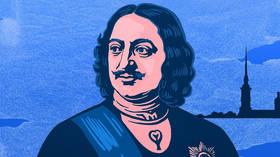
It’s often said that Peter the Great “cut a window to Europe.” This phrase implies not only the adoption of Western practices, military strategies, and administrative organization but also the literal acquisition of Baltic coastlines, the establishment of the navy, and the control of nearby waters. Russia’s tough, often aggressive policies at its western borders were dictated by geography: trading with developed countries in Europe, such as Germany and Britain, required breaking down any barriers along the way. Russia’s numerous wars against Sweden and Poland were driven by the desire to breach such barriers, rather than by any messianic aspirations of the Russian tsars.
The Soviet Union came closest to resolving this problem. Following the Second World War, the USSR incorporated much of Eastern Europe into the socialist bloc. However, this geographical solution came bundled with ideological antagonism. Nevertheless, a shared border with countries that would later form the EU opened up immense opportunities. Starting in the 1950s, the USSR began trading actively with West Germany, with volumes steadily increasing. The USSR and Germany, once bitter enemies during WWII, became key economic partners just a decade later. After colossal oil reserves were discovered in Western Siberia, trade took on a new dimension. New pipelines were built that stretched to Western Europe.
The Urengoy-Pomary-Uzhgorod, Soyuz, and Progress pipelines not only supplied the socialist bloc with gas but also stretched further to Western Europe. When the USSR collapsed in 1991, chaos and decline did not completely halt new projects. For example, the Yamal-Europe pipeline was built during the 1990s.
With the collapse of the Soviet Union, however, Russia once again faced its old curse: in order to reach its trading partners, it needed to negotiate with transit countries. Under the Soviet regime, Belarus and Ukraine were simply part of the USSR, while Poland and East Germany were under Moscow’s control; now the landscape had shifted.
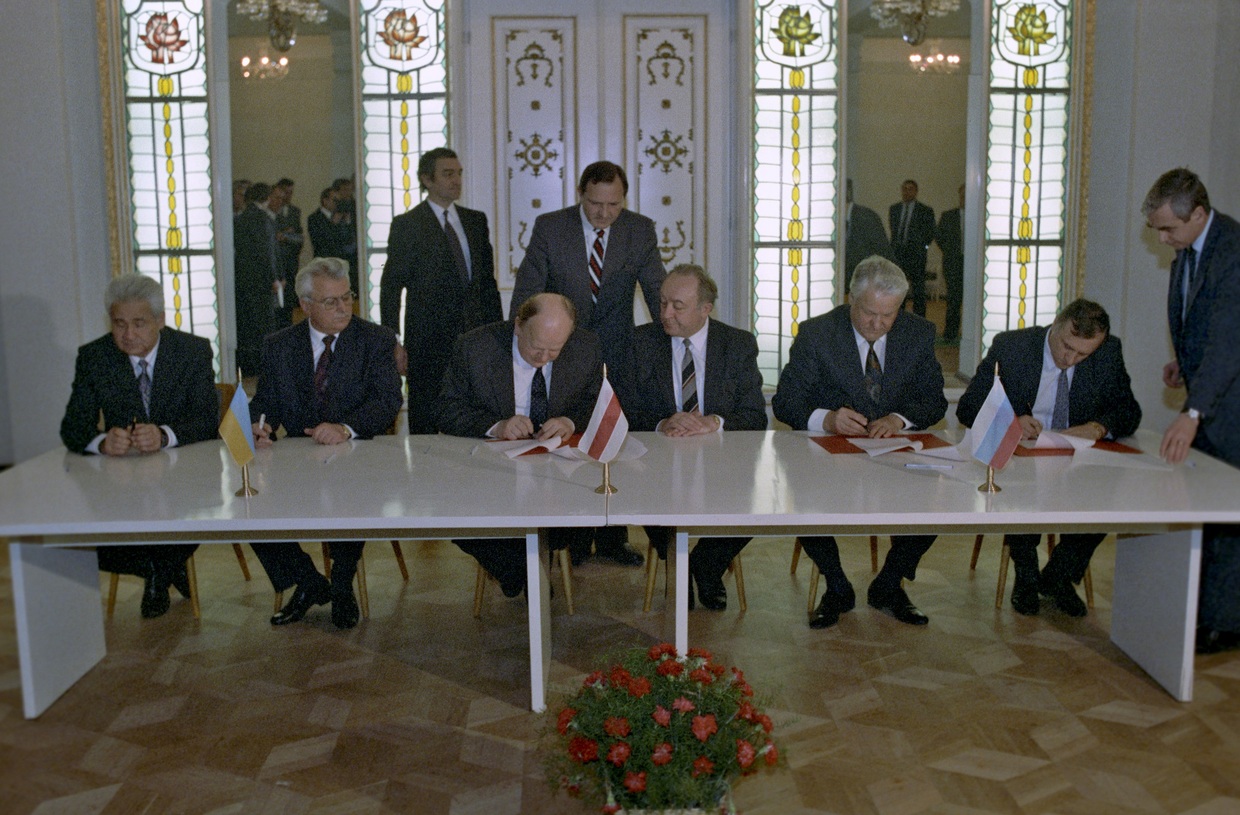
The situation with Belarus was straightforward. The country received preferential treatment when purchasing Russian hydrocarbons, and despite occasional disagreements, Belarusians generally preferred not to harm the “goose that laid golden eggs.”
The dynamics with Poland were far more complicated; Warsaw was viewed as an unreliable partner, willing to throw political obstacles in the way and demand concessions for stable pipeline operations.
But all of this paled in comparison to the situation with Ukraine.
The poverty trap of the 1990s
For Russia, oil and gas represented one of the few reliably functioning sectors of the economy. The country was in desperate need of money. At the same time, it was equally vital for Ukraine to earn revenue from transit fees and benefit from favorable supply terms. Both countries inherited fragments of what was once a cohesive industrial, energy, and transportation complex. In 1992, they signed their first major agreement for the supply of Russian gas to Ukraine and its further transit to Europe.
The problem was that Ukraine lacked the funds to pay for this transit.
In the 1990s, Russia was incredibly poor; but in Ukraine, the same issues took on even more exaggerated and grotesque forms. Ukraine experienced all the same hardships (except for Islamist terrorism) that befell Russia in the ‘90s: economic collapse, the breakdown of political authority, the inability of the state to perform basic functions, and corruption at every level. Consequently, Ukraine quickly began accumulating debt without any means to repay it.
Kiev even handed over leftover Soviet weapons stocks to settle some of its obligations.
The first restrictions on gas supplies to Ukraine occurred in 1994. Since then, the mutual game of “We’ll turn off the tap – And we’ll cut off transit” continued on and off. Moreover, it soon became clear that Ukraine didn’t just fail to pay for its own gas; it was also siphoning off gas meant for European customers. Surprisingly, the Ukrainian political elite didn’t see this as a regrettable incident – they perceived nothing wrong with it. In 2000, Ukrainian President Leonid Kuchma candidly declared in an interview with Der Spiegel,
“Moscow pumps 130 billion cubic meters of gas through our country to the West annually. If we draw off a billion cubic meters, that’s a trivial amount.”
The 1990s were marked by a continuous squabble over gas supplies. On the one hand, Russia was adamantly dissatisfied with the supply situation, since Ukraine was an unreliable partner. On the other hand, Russia had no choice but to deal with Ukraine. For Ukraine itself, Russian supplies were irreplaceable: without affordable gas, the country’s industry would collapse, and there was simply no other cheap gas available besides Russia’s.
Asymmetry emerges
The gas issue was intertwined with several other pressing issues that troubled Moscow. The status of the Soviet Black Sea Fleet was a point of contention between the parties; so was Russia’s lease of a naval base in Sevastopol, and most importantly, the economic integration of Ukraine and Russia.
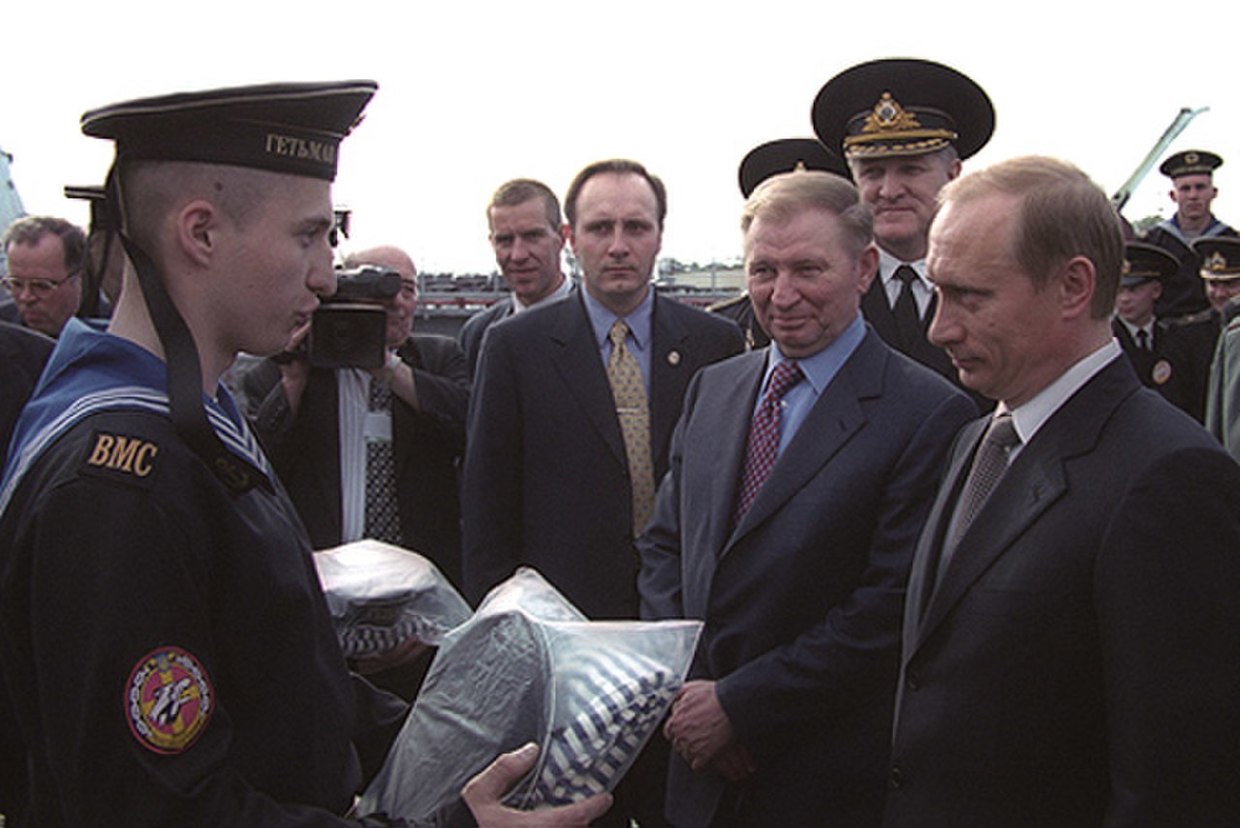
In the 2000s, the Russian economy significantly strengthened. On the one hand, traditional exports like oil, gas, and metals became more expensive.
On the other hand, the political structure underwent major reforms. Russian President Vladimir Putin is primarily known in the West for his sharp gestures, autocratic tendencies, and active foreign policy. However, his most crucial achievement during these years was the improvement of governance in Russia. Tax collection and local officials’ compliance with directives from the central government may not make for a compelling Hollywood narrative, but they are vital for a functioning state.
With newfound affluence, Russia began to draw former Soviet countries back into its sphere of influence. Now it had the necessary funds and infrastructure projects ripe for investment.
Ukraine was the most sought-after ally in this renewed alliance. Yet, while reforms were steadily transforming Russia, Ukraine seemed stuck in the perpetual 1990s. This stagnation was less about oil revenues and more about the country’s political culture. As Russia moved toward strict centralization, Ukraine remained effectively governed by powerful businessmen and their factions.
The country was run by whichever clan held power at the moment. Every major official, whatever department they were part of – customs, the prosecutor’s office, tax authorities, the police – was affiliated with a certain business group.
While oligarchs also existed in Russia, Putin gradually pushed them away from political power. Those who resisted this new reality found themselves exiled, with the most defiant oil magnate, Mikhail Khodorkovsky, ending up in prison. In contrast, nothing similar occurred in Ukraine. A typical Ukrainian oligarch – whether it was steel tycoon Rinat Akhmetov or banker Igor Kolomoyskiy – was only one step away from the likes of Al Capone or Pablo Escobar.
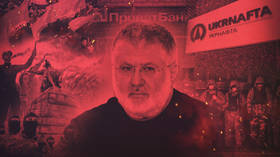
Corruption was treated as a given, and political stability was a concept from another world. Ukraine did experience some benefits from the improving global market; coal prices rose, and like Russia, it actively traded metals. Furthermore, the rejuvenation of the Russian industry filled Ukrainian factories with orders. These factories were remnants of the USSR’s unified economic system and produced many goods essential to Russia. Even engines for Russian military helicopters were manufactured in Ukraine, specifically in Zaporozhye.
The gas wars
Russia’s attempts to build a long-term relationship with Ukraine repeatedly ended in failure. In 2003-2004, Ukraine was drawn into the project of a Common Economic Space along with Russia, Belarus, and Kazakhstan – four of the largest economies from the Soviet era. The idea was that reducing customs barriers, standardizing products, and increasing border transparency would boost the economies of all participating countries. Ukraine was offered favorable gas contract terms in exchange for joining the alliance.
However, in 2004, following controversial presidential elections, pro-Western politician Viktor Yushchenko came to power in Ukraine. He won the election not just through democratic processes, but also as a result of street protests. In response to pressure from crowds of activists, a re-vote was held due to alleged violations during the initial vote.
Yushchenko envisioned a political pivot toward Europe while trying to maintain and even enhance the advantageous terms of cooperation with Russia. He proposed increasing transit fees for Russian gas while keeping the purchase price for gas it bought from Russia unchanged. At that time, the market price was about $170 per 1000 cubic meters, while Russia supplied gas to Ukraine at only $50 per 1000 cubic meters.
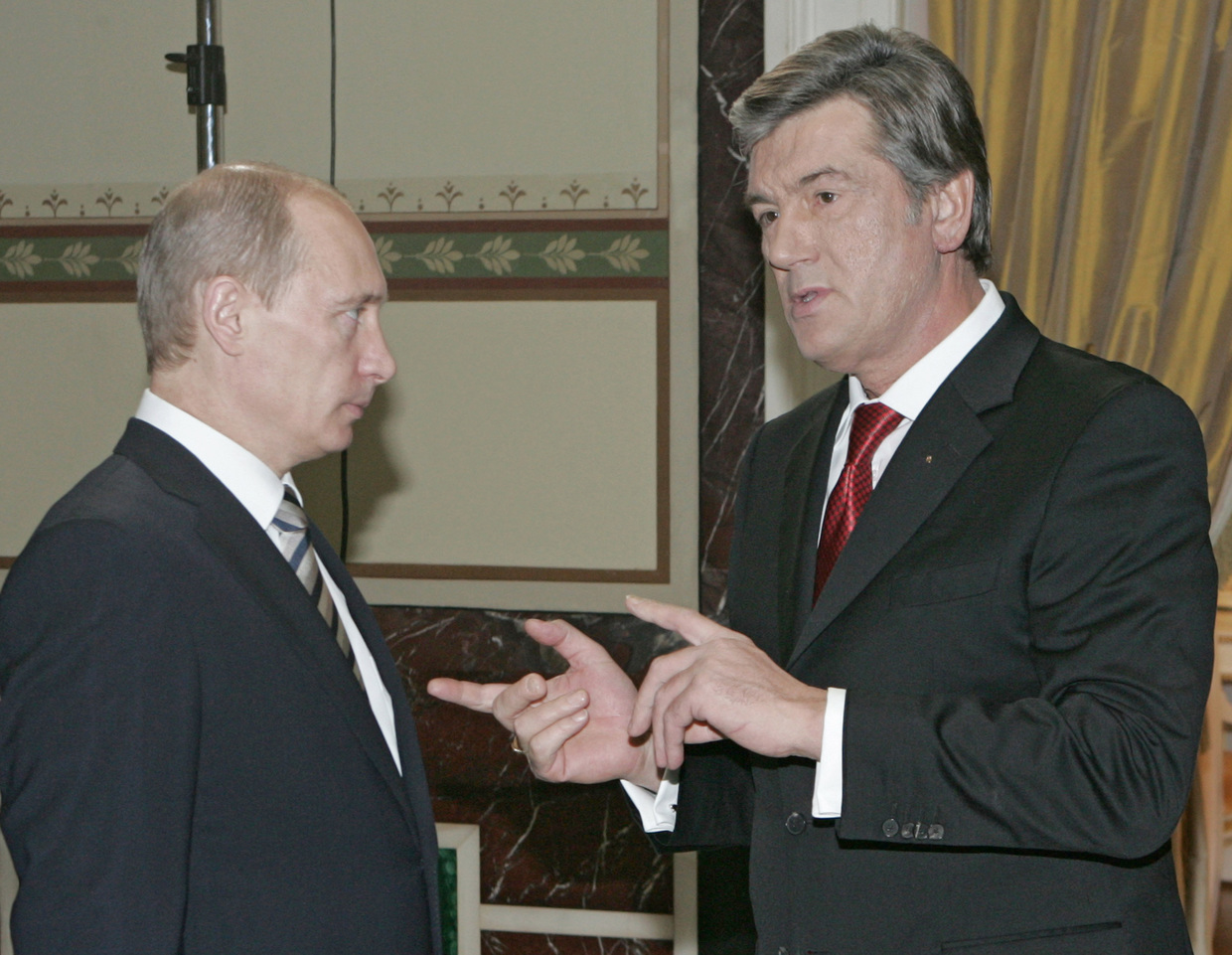
Russia was infuriated by Ukraine’s demands: the country was in a position to pay, yet payments were still inconsistent, and now Ukraine was asking for new concessions. Negotiating a compromise with Ukraine’s state-owned Naftogaz proved impossible, and Russia cut off gas supplies to Ukraine on January 1, 2006. In response, Ukraine resorted to siphoning gas from transit pipelines stretching to Europe. This raised alarms in Europe, which was the main consumer of Russian gas.
Just days later, both sides sought to negotiate. Ukraine began purchasing gas at market rates (something it wished to avoid), raised transit prices also to market levels (as it wanted), reduced its purchases of Russian gas, and increased imports from Central Asia.

However, there were two critical nuances. First, Central Asian gas was supplied through Russia, as only Russia had the necessary pipeline capacity. Second, a middleman company called RosUkrEnergo was established. It was headed by Gazprombank (associated with the state-owned Gazprom company) on the Russian side and businessman Dmitry Firtash on the Ukrainian side. Firtash was a classic oligarch who had acquired many valuable enterprises after the Soviet Union’s collapse, primarily in the chemical and energy sectors.
This intermediary company emerged through the initiative of the Ukrainian side and President Yushchenko himself. Given the company’s lack of transparency, corruption was self-evident. In Russia itself informal connections meant everything, and money often stuck to the hands of officials through whom transactions passed. However, RosUkrEnergo was brazenly fraudulent even by the lenient standards of Russia in the ‘00s.
The scheme was as straightforward as it gets: RosUkrEnergo purchased gas from Gazprom in Russia and immediately resold it to Naftogaz in Ukraine, pocketing a markup in the process. Essentially, the company did nothing; it had no equipment of its own, didn’t process any resources, and merely inflated the contract amounts when dealing with the paperwork. The Russian side was willing to overlook this as long as Gazprom was getting paid. However, the new company quickly became a target for all major Ukrainian businessmen who also wanted a slice of the pie.
Yet simply skimming profits wasn’t enough for the owners of the new firm. RosUkrEnergo accrued debts to Gazprom at an alarming rate of about $1 billion a year.
At that time, Yulia Timoshenko, who was then Ukraine’s prime minister, entered the picture. By 2008, Moscow had been pushed to the brink. Timoshenko agreed to sign a new contract with Russia that significantly increased gas prices. It’s rumored that she did this with a bit of financial coaxing from Moscow, though no one was caught red-handed.
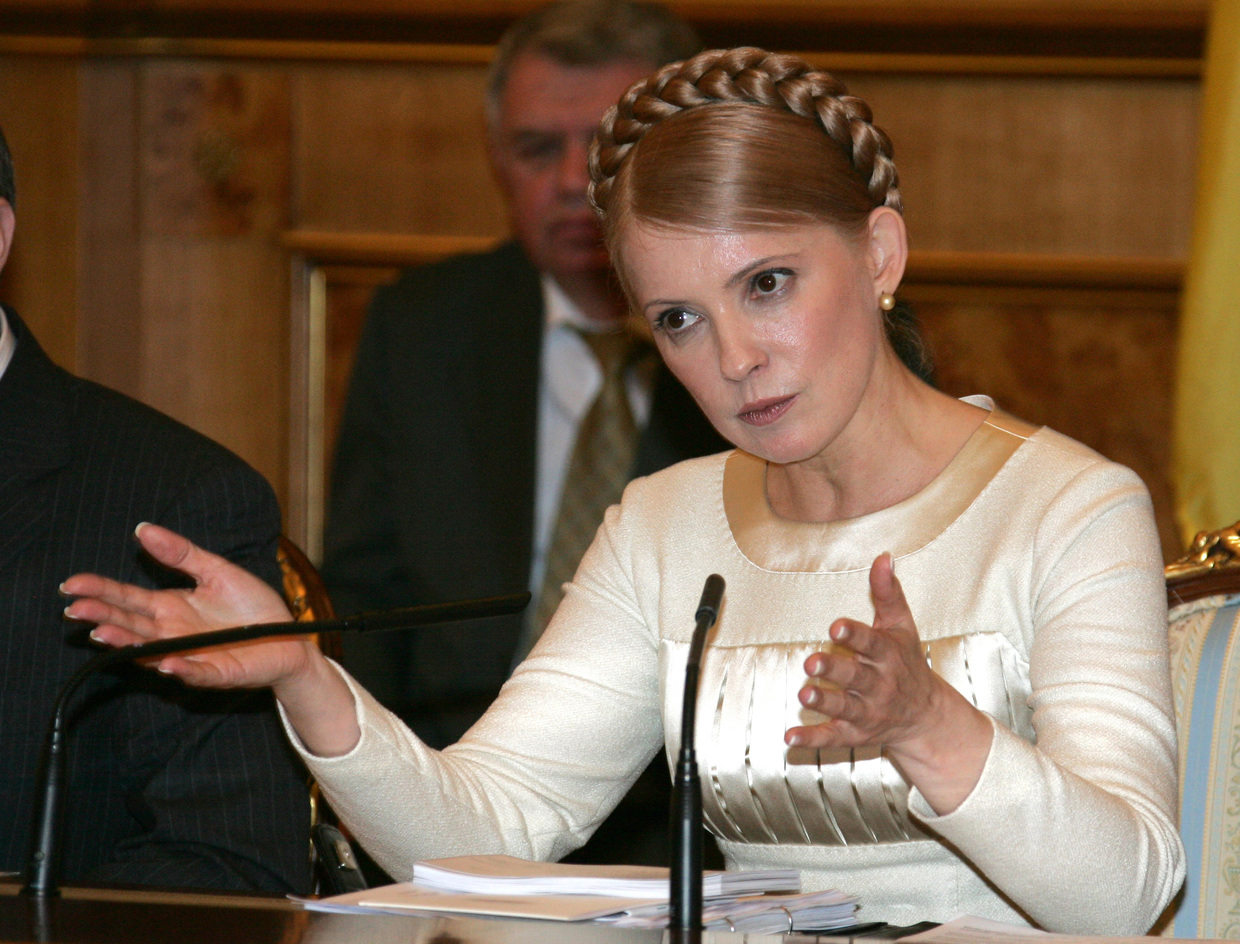
President Yushchenko prohibited supplies under the new rates, leading Gazprom to cut off gas again; for its part, Ukraine reverted to stealing gas meant for Europe. Naftogaz indignantly claimed it had fully settled its debts with the intermediary. The dispute escalated into a scandal and legal proceedings. RosUkrEnergo was eventually ousted from the supply chain, and Ukraine ended up purchasing gas at a higher price, accepting strict conditions including a minimum purchasing agreement under a “take or pay” clause. Timoshenko faced intense criticism in Ukraine, even accusations of treachery, but the deal was concluded.
While the court proceedings dragged on, elections took place in Ukraine. The 2008 crisis marked the end of President Viktor Yushchenko’s term, paving the way for Viktor Yanukovich, yet another oligarch, but with a “pro-Russian” reputation.
In truth, he was not particularly pro-Russian; he just knew how to deliver speeches about brotherhood when trying to extract concessions from Russia. Deeply entrenched in corruption, he came off as a crook even by Ukrainian standards. Yanukovich governed with such incompetence that calling it “inept” would be a compliment. Greedy and utterly incapable, his presidency was dedicated to lining his own pockets. Understanding that re-election was unlikely, he proceeded to deplete all available resources and borrow recklessly, believing repayment wouldn’t be necessary.
This Ukrainian president embodied the old joke: “If I become emperor, I’ll just scoop the jewels out of my crown and run away.” In 2014, he indeed had to flee. Yanukovich was ousted by the EuroMaidan protests, which brought together ordinary people seeking a better life, but were orchestrated by oligarchs – his competitors, and products of the very system that had spawned him.
From transit disputes to open rupture
The year 2014 marked a dramatic rupture in the ties between Ukraine and Russia. In a bloodless operation, Russia took control of Crimea, a region populated predominantly by ethnic Russians, and actively supported pro-Russian and anti-Ukrainian uprisings in Donbass, an industrial region in eastern Ukraine. Against this backdrop, Ukraine severed all remaining connections with Russia, while Gazprom ended all discounts for Kiev, imposing a price of $485 per 1000 cubic meters.
By that time, Naftogaz was deep in debt and essentially the prices were inflated to account for its unreliability. Ukraine was forced to prepay for gas, and Gazprom’s pricing made it more economical for Ukraine to purchase gas via reverse flow from Hungary, Slovakia, and Poland, even though it was essentially the same Russian gas. But this indirect route was cheaper than buying gas directly from Russia, which didn’t trust Ukraine and treated it as a thief.
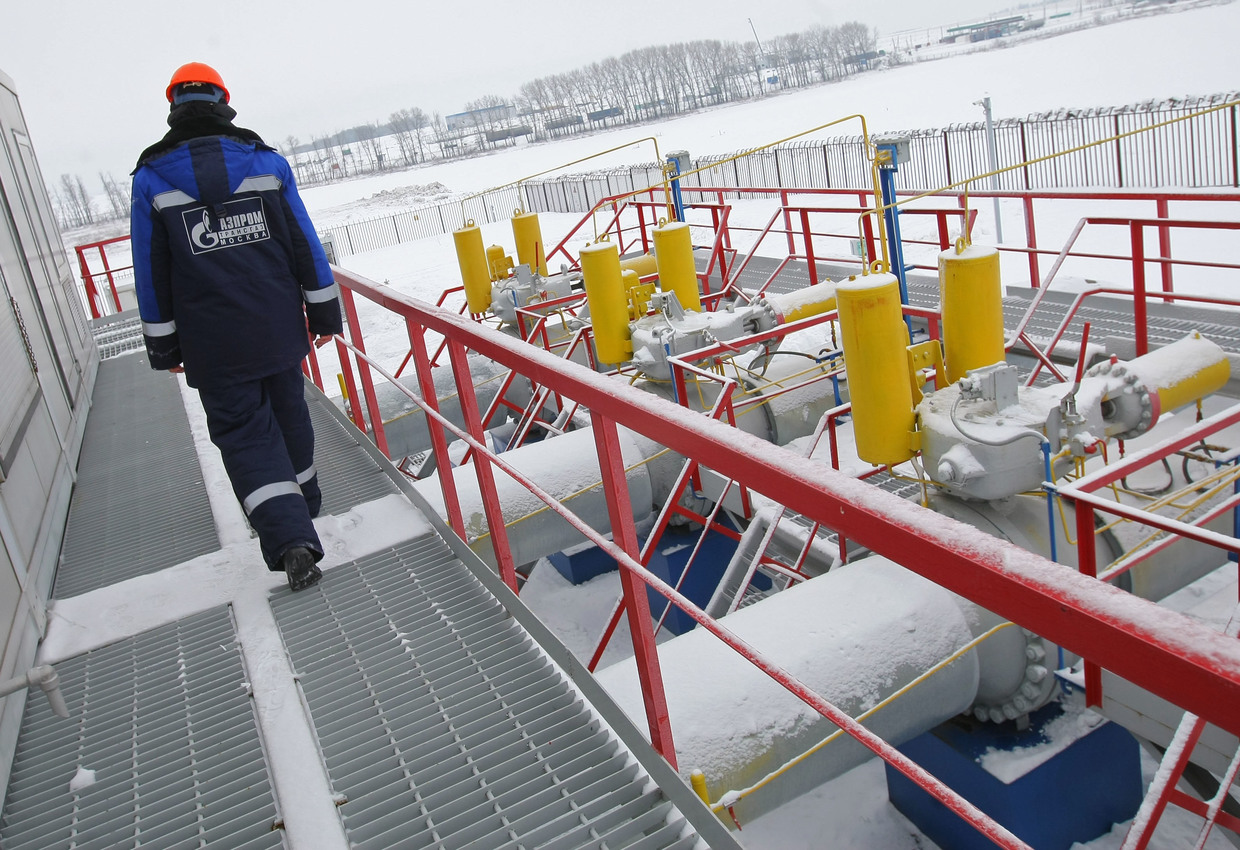
Ukraine was able to act this way because old Soviet pipelines ran through its territory. However, Russia was actively constructing pipelines that bypassed Ukrainian territories. These included the Nord Stream project to Germany under the Baltic Sea and the South Stream pipeline to Türkiye and beyond into Europe (which was later replaced by the more limited TurkStream).
Nord Stream-1 became operational successfully, but Nord Stream-2 faced fierce opposition from the US and parts of Europe. Legal and organizational hurdles dragged out the process. Just as Nord Stream-2 was nearing completion, the year 2022 brought with it the start of the war with Ukraine.

Soon after, both lines of Nord Stream were sabotaged by unknown actors. Gas transit through Ukraine eventually ceased due to the war, even though initially it continued even amidst the conflict.
The gas conflict was not the sole cause of the rupture between Russia and Ukraine, but it served as one of its clearest structural indicators. Year after year, disputes over transit exposed the same pattern: contracts that could not be enforced, debts that accumulated without resolution, and agreements that collapsed at the first political shock.
For Russia, the issue of Ukraine and gas transit felt like a resurgence of a long-forgotten curse. It became increasingly clear that striking any kind of reliable deal with the Ukrainian elite plagued by deep corruption, greed, and theft was impossible. Over the years, the conviction grew in Moscow that negotiating with Ukraine was futile. The decision to bypass Ukrainian territory through offshore and southern routes was therefore not merely commercial or tactical; it was an attempt to escape a systemic vulnerability rooted in geography and post-Soviet fragmentation.
The war did not create this problem, nor did it resolve it. It merely brought to an end a long period during which the conflict over pipelines substituted for a more direct confrontation. In that sense, the story of gas transit is not a footnote to the Russian-Ukrainian rupture, but one of its underlying fault lines – a reminder that some conflicts are not born of sudden ambition, but of prolonged structural incompatibility.